


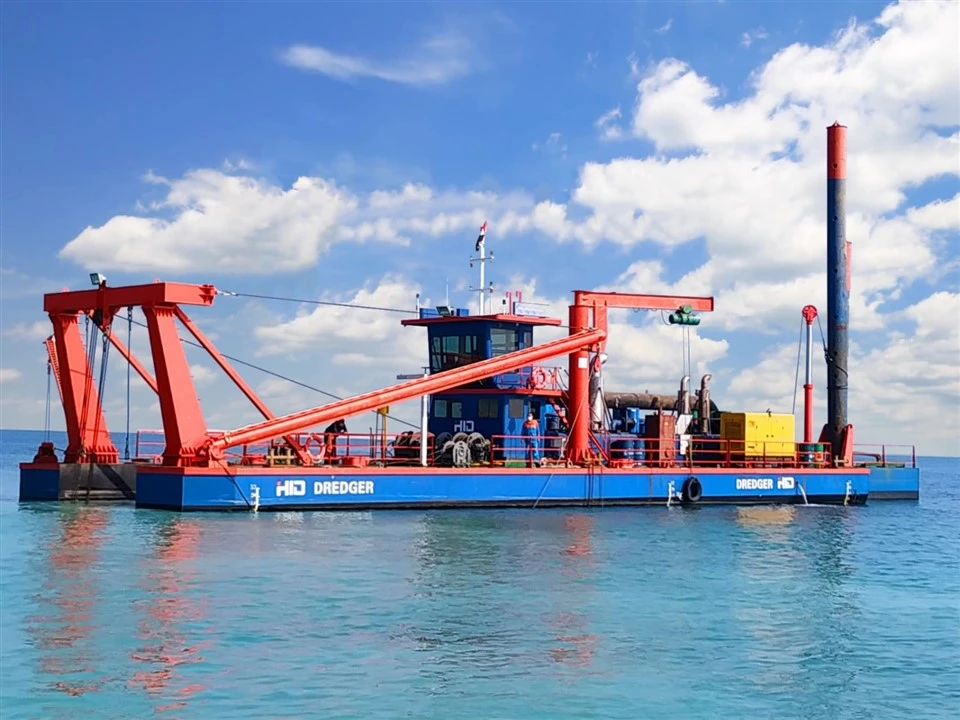
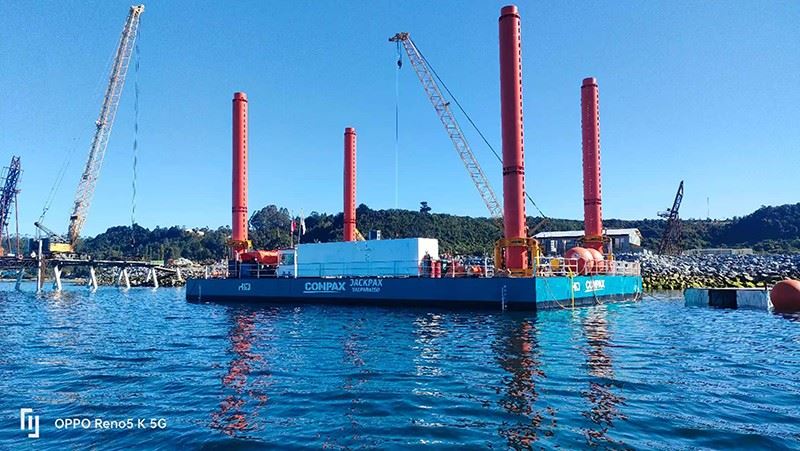
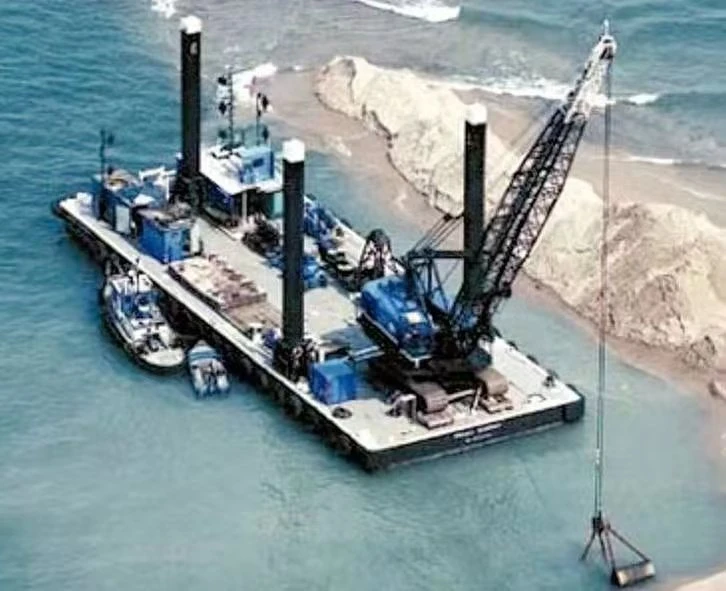
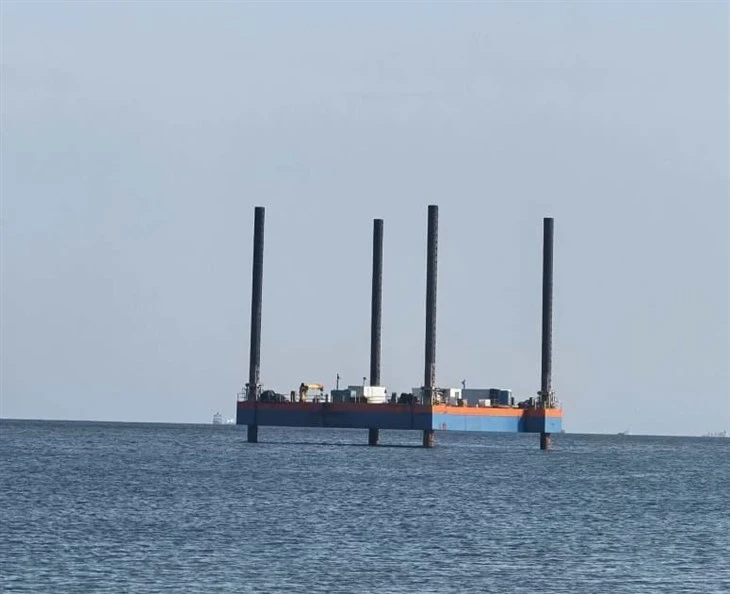

Dredgers are core engineering vessels for underwater earthwork excavation and are widely used in waterway dredging, land reclamation, and underwater mining. Based on their working principles, these can be categorized into five main types:
Cutter suction hopper: Equipped with a rotary cutter head (for cutting rocks with a hardness ≤40cm) and a high-pressure mud pump, suitable for river/lake dredging and land reclamation, with a mud and sand transport efficiency of up to 2000m³/h;
Trawl suction hopper: Integrates a drag head for mud suction and a self-propelled system, with an operating depth of up to 30m, particularly suitable for port maintenance (loose sand conditions), with a single hopper capacity of up to 8000m³;
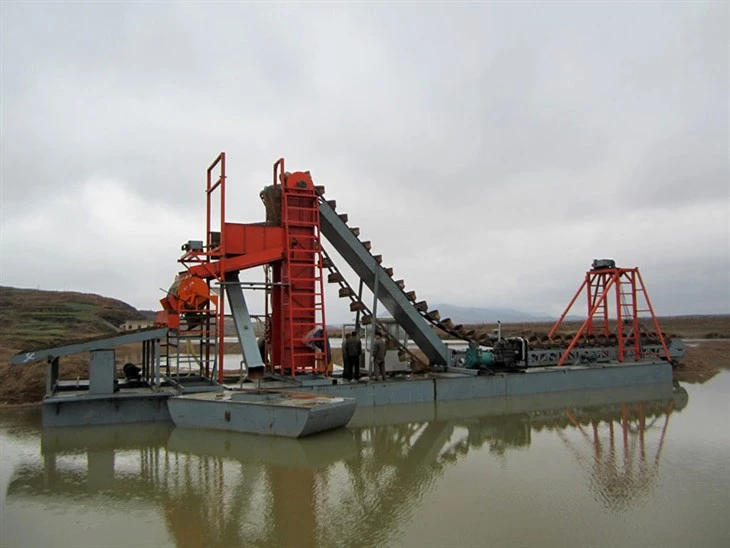
Chain bucket excavation: The chain bucket excavation system can excavate rock strata up to 35 meters deep, with a bucket capacity of 0.5-1.2 m³, suitable for hard-bedded reservoir operations;
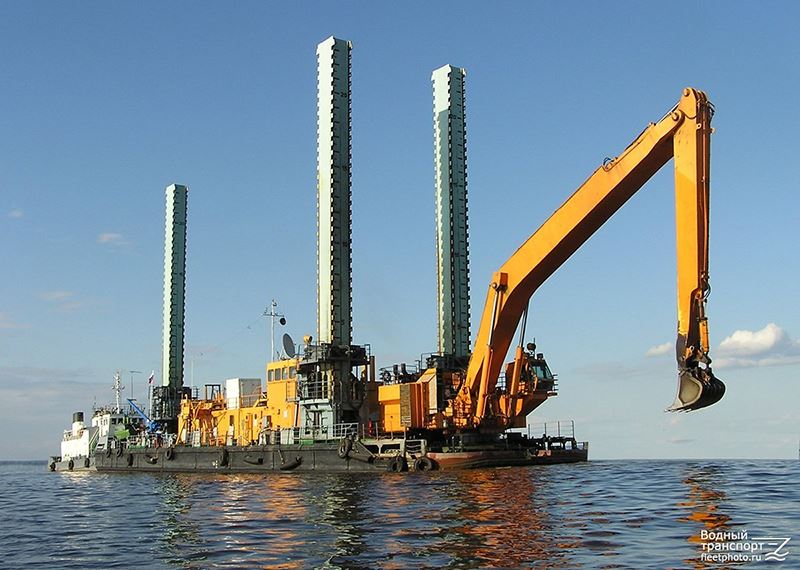
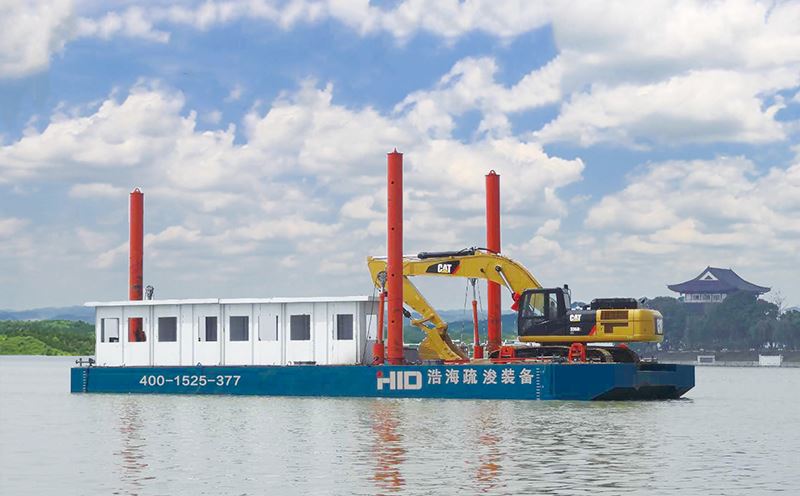
Shovel bucket excavation: The boom-type bucket excavator flexibly handles narrow river channels (minimum operating width 15m), with a breaking force of up to 50kN, suitable for excavating hard soil in shallow water areas;
Grab bucket excavation: The hydraulic grab bucket (capacity 3-8 m³) is specifically designed for clearing obstacles in ports, with a grabbing force exceeding 20 tons, capable of handling boulders larger than 1 m³.